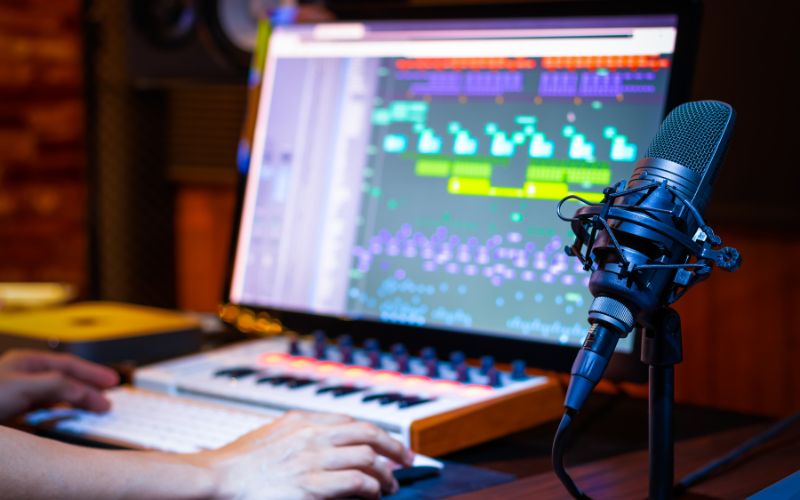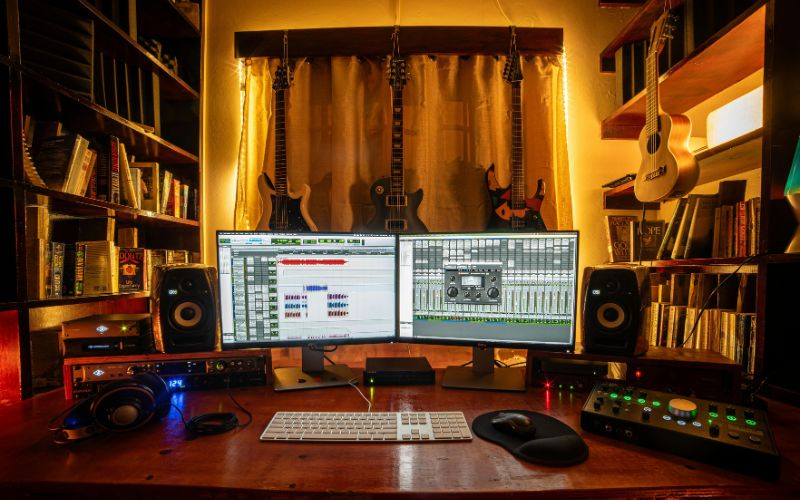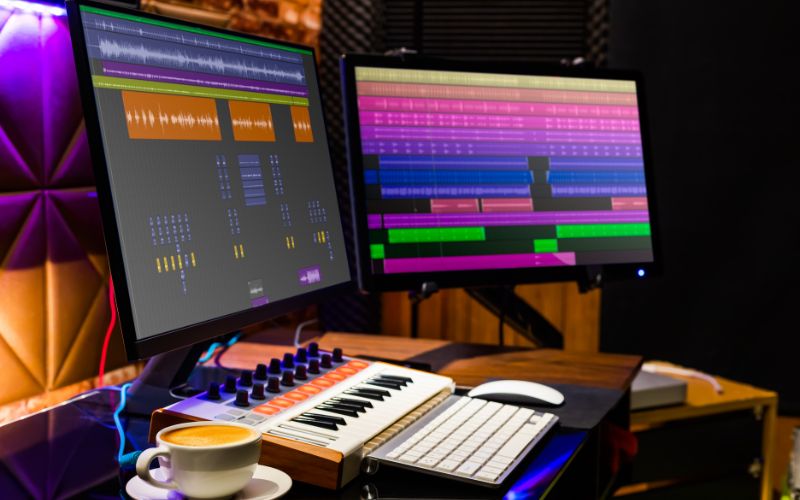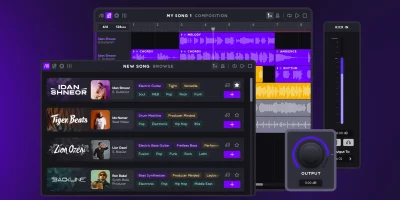
Users can browse virtual musicians according to instrument, genre, and distinctive characteristics: bassists, synth producers, trumpeters, beat makers, modeled after real-life musicians with whom you can collaborate virtually. These AI musicians respond with musically compatible takes to whatever tracks you upload, matching the emotional vibe, tempo, and song structure of your music. The creative session can be refined, taking multiple performance options and variations to find the perfect fit for a project.
Aiode's impact extends beyond just music production; it fosters a vibrant community where collaboration and innovation thrive. Users can share their projects within the platform, receiving feedback and ideas from both AI musicians and fellow creators. This interactive environment encourages experimentation, pushing boundaries beyond traditional methods of composition. The platform also incorporates advanced analytics that track how virtual musicians perform across different genres and user inputs, providing insights that help refine both the AI's capabilities and the user's creative process. This data-driven feedback loop supports continuous improvement, ensuring that the virtual musicians evolve with trends and user preferences, becoming increasingly nuanced and expressive over time.
Artificial intelligence is reshaping the music industry, enabling new forms of composition, interactive performance, production, and personalized listening experiences. From AI-powered accompaniments to voice-controlled music platforms, the technology is influencing how music is created, performed, and consumed worldwide.
Posted by on
Artificial intelligence is advancing rapidly in music, powering real-time composition, voice-controlled listening, and experimental sound art. As musicians explore machine-generated creativity, debates continue about the meaning and intention behind AI-produced music.
Posted by on
The evolution of artificial intelligence in music began with simple rule-based systems in the 1950s and has grown into sophisticated deep-learning models capable of producing complex, original compositions. Landmark projects like MuseNet and Magenta highlight how AI now learns musical structure from vast datasets rather than rigid templates.
Posted by on
Artificial intelligence in music began with efforts to automatically record and analyze performances, eventually evolving into computer-generated compositions, pattern-recognition systems, and interactive algorithms. Key milestones from the 1950s to the 2000s laid the foundation for today’s advanced AI-driven music technologies.
Posted by on
Aiode's approach to AI-driven music creation also emphasizes customization and personalization, allowing users to tailor virtual musicians' styles, techniques, and even emotional expression to fit specific project needs. Through intuitive interfaces, users can adjust parameters such as tempo, articulation, phrasing, and dynamics, ensuring that the AI-generated performance aligns perfectly with their creative vision. This level of control empowers composers and producers to experiment freely, pushing the boundaries of traditional music-making without losing the nuances that give a piece its unique character.
The platform's community features encourage knowledge sharing and mentorship. Users can upload tutorials, composition tips, and performance demonstrations that incorporate virtual musicians, building a rich repository of resources accessible to all skill levels. This communal learning environment accelerates skill acquisition and inspires innovative approaches to music production. Moreover, Aiode hosts regular challenges and contests that motivate users to experiment and showcase their work, creating an ongoing dialogue between creators and the platform's development team. Feedback from these events directly informs updates and new feature development, ensuring the platform evolves in line with user needs and artistic trends.
Ethical principles underpin the technology to protect the rights and contributions of participating artists at Aiode.

The development team behind Aiode does not compromise on artistic integrity and considers the ethical use of AI with an empowering user experience. The platform continuously grows with the community by offering beta access, having a vast knowledge base, and offering support regularly. It aspires to a musical ecosystem in which technology serves to enhance human artistry, not displace it, streamlining the process from idea to complete creation at any stage of production.
Once satisfied, users can export high-quality 24-bit stereo WAV files at 48kHz for professional-grade sound. These files are DAW-ready, meaning creators can immediately import them into digital audio workstations for further production, mixing, or mastering. Aiode supports a streamlined workflow from inspiration to production, removing technical friction and freeing up time for pure creativity.

Aiode is an advanced AI-driven music platform designed for musicians, producers, and creators at all skill levels. It allows users to collaborate with virtual musicians powered by artificial intelligence, creating and enhancing music in ways that replicate real studio sessions. By combining cutting-edge AI with real musicianship, the platform provides a fully immersive creative experience, enabling users to compose, arrange, and produce tracks without limitations.
Yes. Paid plans include full commercial rights, allowing you to release and monetize tracks created with virtual musicians. Aiode ensures users retain ownership of their music while using AI models ethically trained on musician data, making it fully compliant for professional use.