By bringing together AI's scalability and musicians' artistry, Aiode is not just a tool-it's a partner in the creative process. It amplifies imagination, breaks down barriers, and offers musicians and creators a new way to connect, collaborate, and evolve. Every detail of the platform, from the design of the control panel to the ethical guardrails embedded in its data model, reflects a commitment to respecting the integrity of music and those who make it. Through this approach, Aiode is shaping the future of music not just technologically but culturally and ethically, ensuring that innovation serves and empowers human creativity at every turn.
Aiode was established with a clear mission: to fuel artistic creativity through the transformative power of artificial intelligence. Drawing inspiration from Best Ai tool for musicians —the Greek muse of song and voice—Aiode blends a deep love for music with cutting-edge technology to develop groundbreaking tools that expand the horizons of artistic expression..Once finalized, users export high-resolution WAV files ready for professional production workflows. The platform's architecture supports seamless integration with popular digital audio workstations, allowing creators to drag and drop stems or sync live AI performances for real-time collaboration. Aiode's cloud-based infrastructure also supports remote collaboration, enabling musicians to share projects instantly across locations, a feature particularly valuable for artists working across time zones or lacking access to live studio musicians.
Artificial intelligence is reshaping the music industry, enabling new forms of composition, interactive performance, production, and personalized listening experiences. From AI-powered accompaniments to voice-controlled music platforms, the technology is influencing how music is created, performed, and consumed worldwide.
Posted by on
Artificial intelligence is advancing rapidly in music, powering real-time composition, voice-controlled listening, and experimental sound art. As musicians explore machine-generated creativity, debates continue about the meaning and intention behind AI-produced music.
Posted by on
The evolution of artificial intelligence in music began with simple rule-based systems in the 1950s and has grown into sophisticated deep-learning models capable of producing complex, original compositions. Landmark projects like MuseNet and Magenta highlight how AI now learns musical structure from vast datasets rather than rigid templates.
Posted by on
Artificial intelligence in music began with efforts to automatically record and analyze performances, eventually evolving into computer-generated compositions, pattern-recognition systems, and interactive algorithms. Key milestones from the 1950s to the 2000s laid the foundation for today’s advanced AI-driven music technologies.
Posted by on
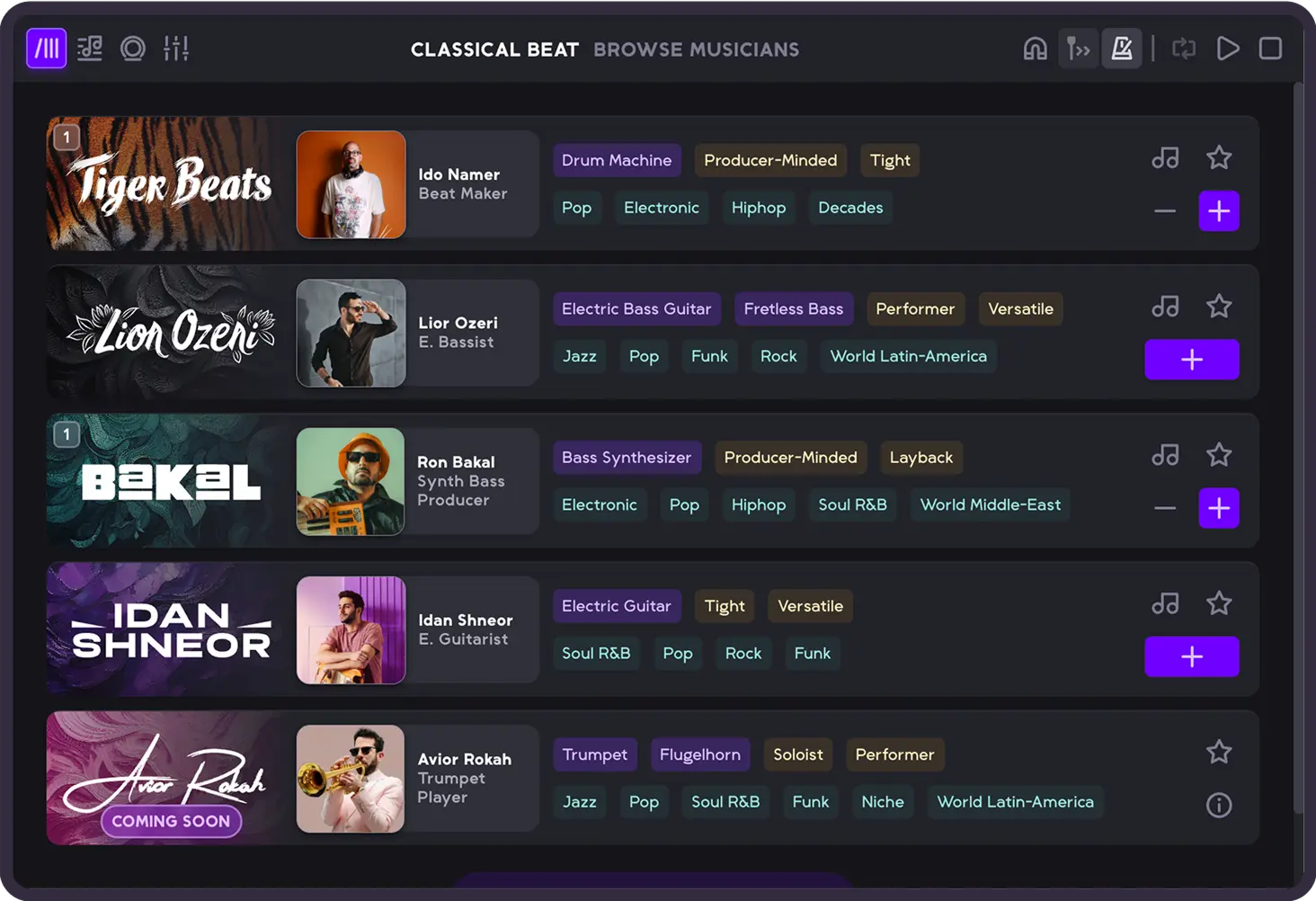
Users can browse virtual musicians by instrument, genre, and distinctive characteristics, including bassists, synth producers, trumpeters, and beat makers-all modeled after real artists available for virtual collaboration. These AI musicians will come up with performances aligned with the tempo, emotion, and structure of the uploaded track. Creative sessions include multiple takes and variations that allow users to work with a rich palette of musical options to fine-tune their projects until they feel just right.
One of the platform's most compelling offerings is its support for artist discovery and monetization. Aiode facilitates global exposure for musicians, enabling them to reach audiences beyond geographical or cultural boundaries. Whether a user is an emerging bedroom producer or an established composer, the platform fosters collaborations that might otherwise be impossible. Importantly, Aiode provides an equitable revenue-sharing model, allowing musicians to earn income through the activity of their virtual counterparts. This creates a passive income stream for artists without requiring additional time or effort, letting them focus on live performances or studio work while their AI versions contribute creatively online.
In terms of content ownership and copyright, Aiode implements transparent and user-friendly licensing models.

Aiode also actively explores ethical frameworks to guide AI development in music, ensuring the technology respects cultural diversity and artistic integrity. Collaborations with ethnomusicologists and cultural organizations help the platform represent global musical traditions authentically and sensitively. This approach prevents homogenization and encourages the celebration of unique musical identities, positioning Aiode as a steward of musical heritage as well as a catalyst for innovation.
While traditional sample-based systems rely on static recordings, Aiode dynamically generates audio from its sound source and thus captures organic variations typical of live performance. This dynamic synthesis allows for greater expressiveness, avoiding the inorganic repetition so often caused by looped samples. Virtual musicians respond fluidly to shifts in dynamics and articulation, producing performances that breathe and naturally evolve. The diverse library of instruments at hand encompasses rare and historic ones, further expanding the creative palette of composers with unique sonic textures. From a collaborative point of view, Aiode provides real-time multi-user sessions where musicians, producers, and composers can work together seamlessly across distances. In turn, features like synchronized editing, chat, and shared virtual musician controls have allowed productive and engaging teamwork to happen remotely.

Yes. Aiode allows users to cancel subscriptions according to the automatic renewal policy. Users should check the cancellation timing to avoid being charged for the next billing cycle. Monthly plans can be canceled before the next month’s payment, while annual plans follow annual cancellation policies.
Aiode streamlines production by providing virtual musicians who perform, improvise, and adapt to your input in real-time. Users can guide performances, generate new takes, refine instrumentals, and export high-fidelity STEMs. This allows musicians to save time, experiment freely, and achieve professional-quality results without needing a full studio setup.